
Behind the Product: Where Coir Comes From and Why It Matters
When selecting products for your garden, it’s easy to focus on appearance, functionality and price. However, have you ever stopped to think about where those products come from and how they’re made?
At GuardnGrow, we believe understanding the journey behind a product is just as important as the product itself. That’s especially true when it comes to coir, one of the key materials used throughout our range.
What Is Coir?
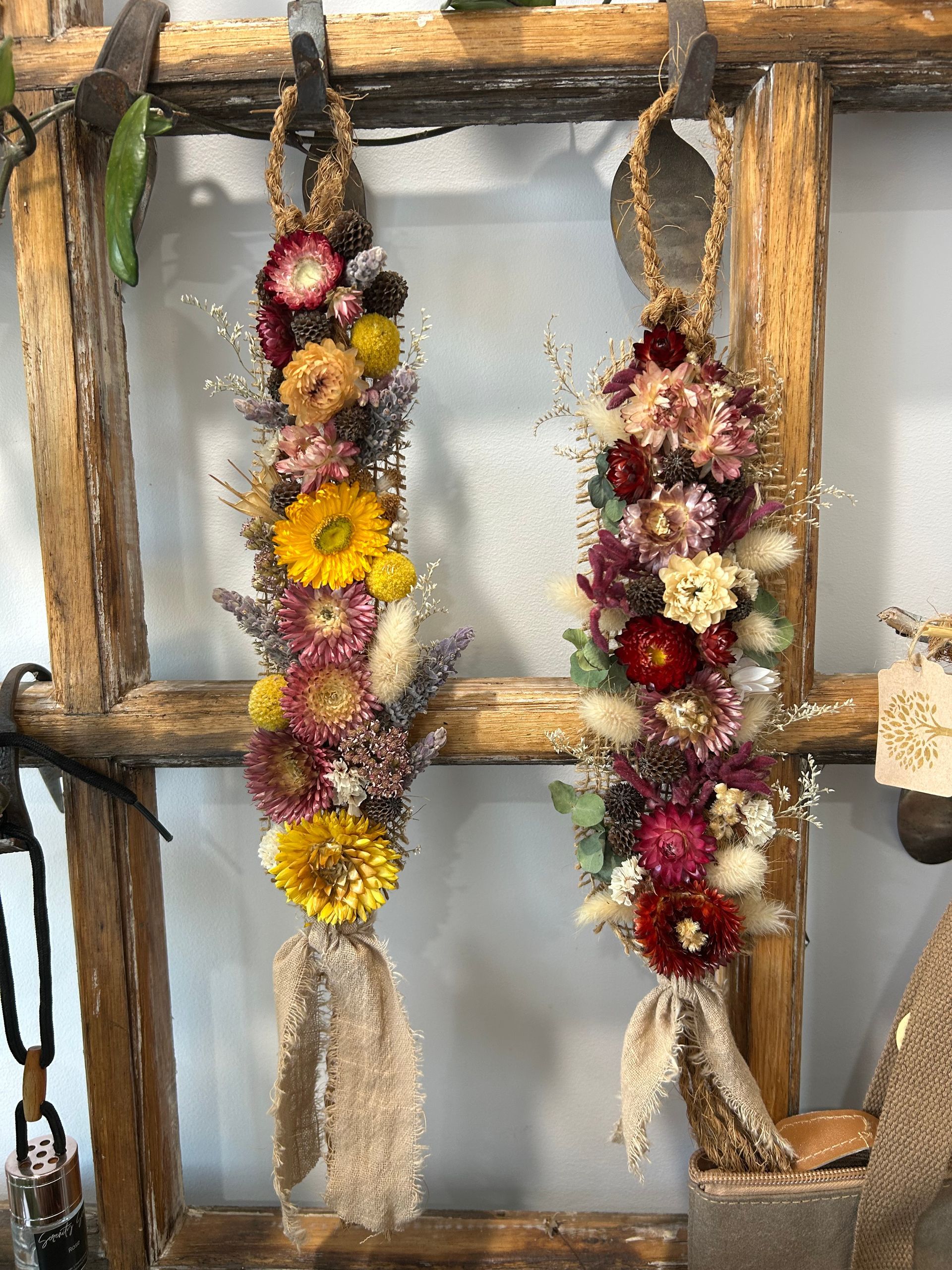
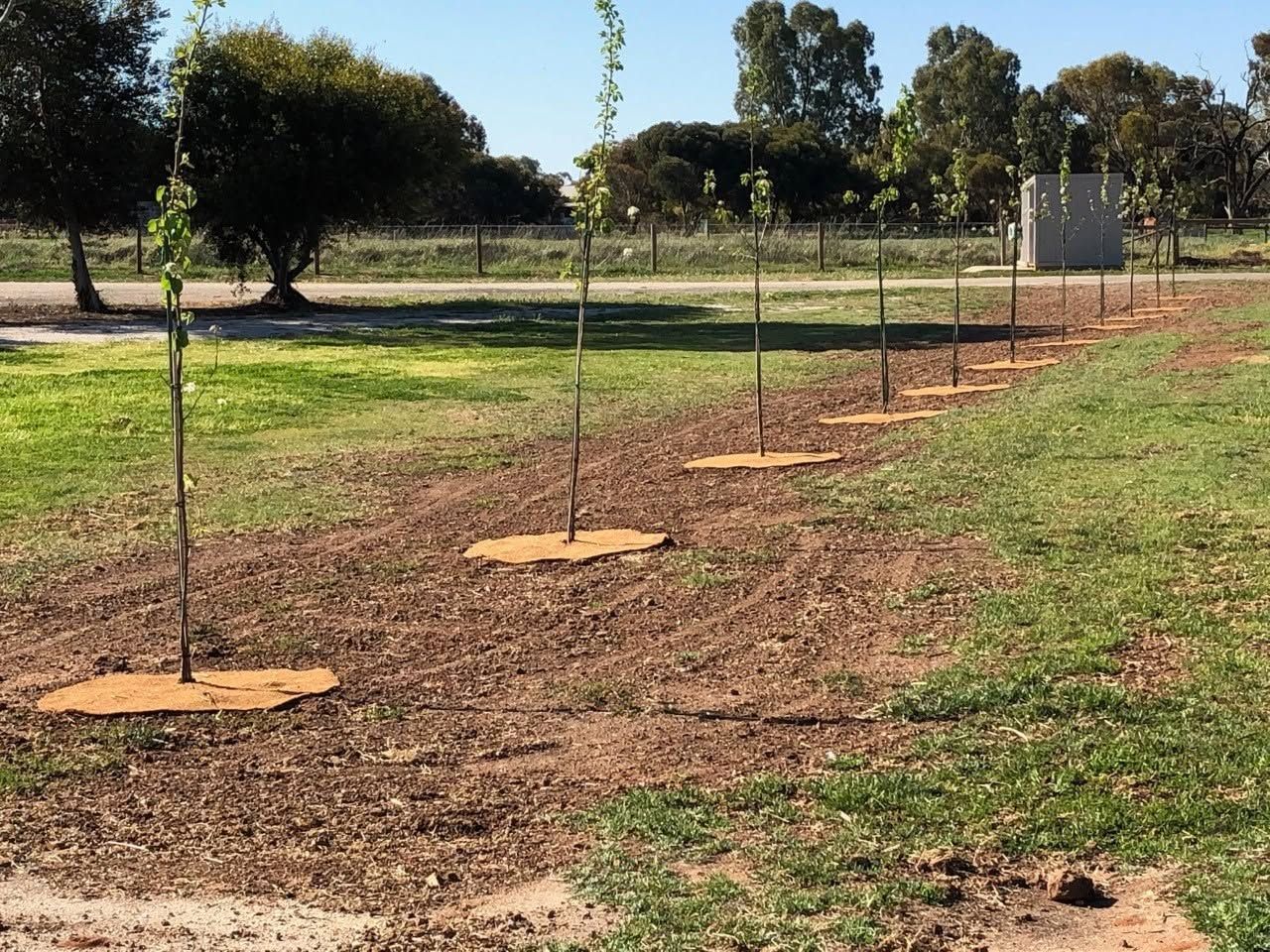
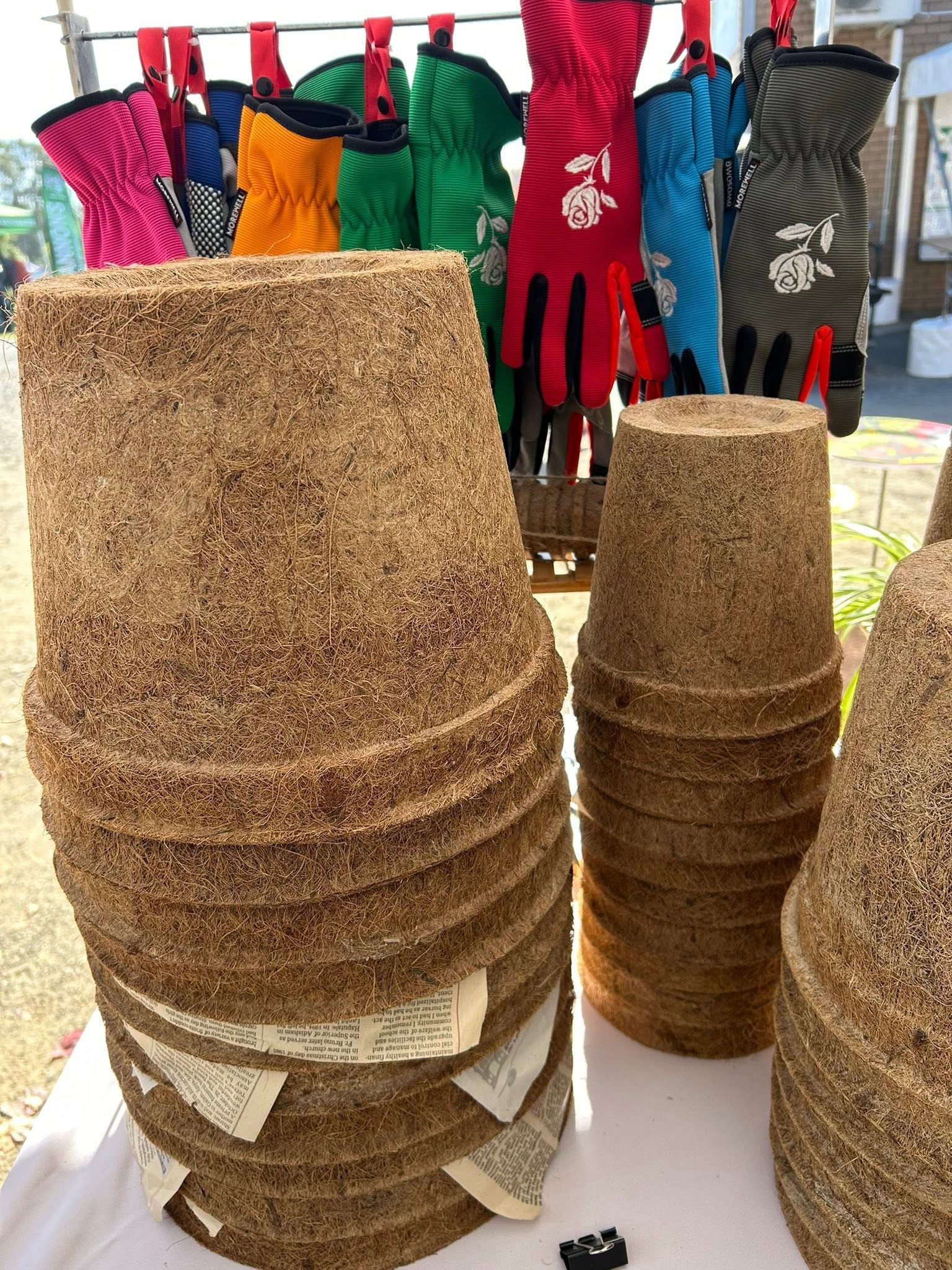
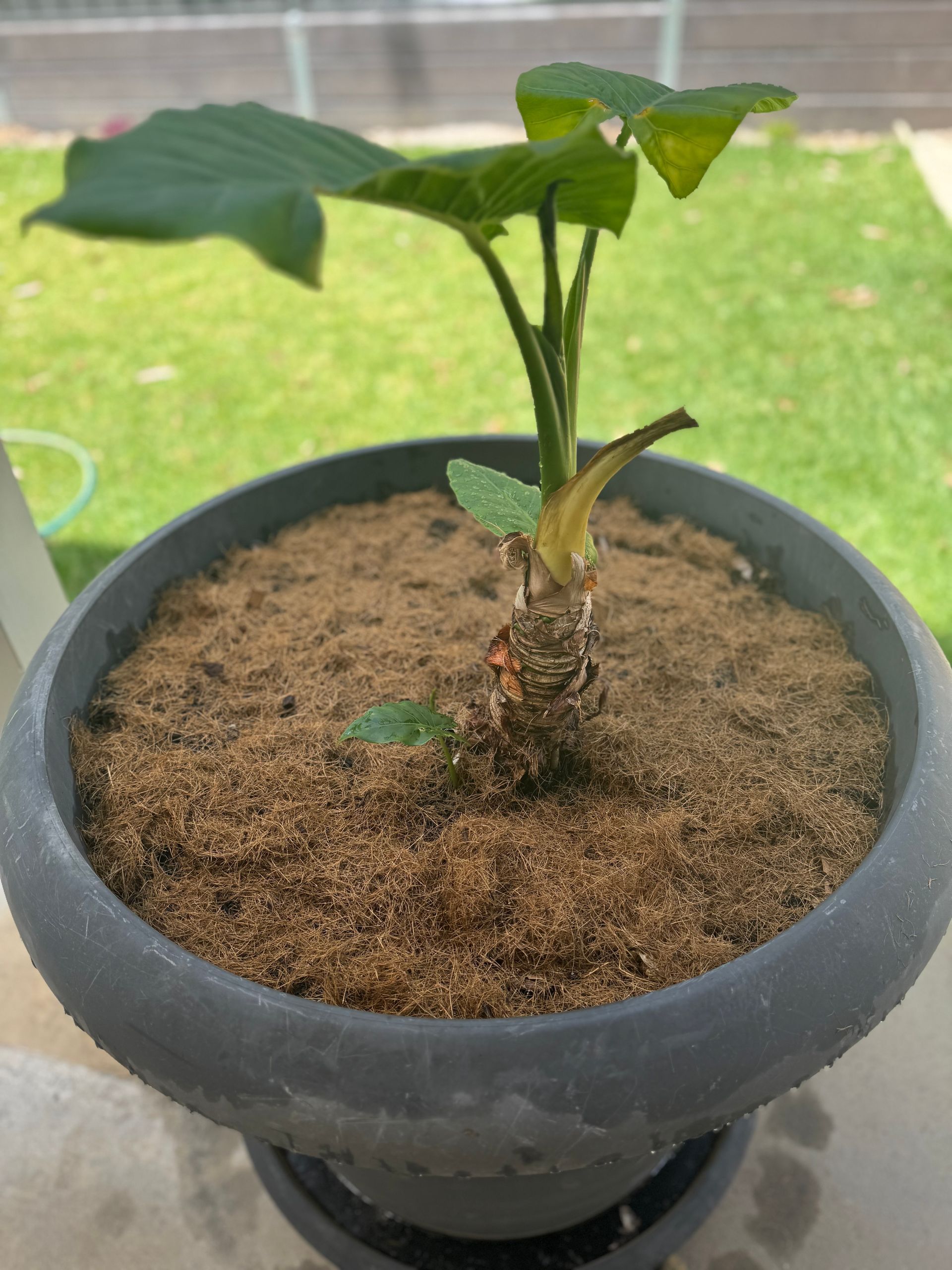
Coir is a natural fibre extracted from the outer husk of coconuts. Traditionally, coconut husks were considered a waste product after the coconut meat and water had been harvested. Today, those husks are transformed into a versatile, sustainable material used in everything from garden liners and hanging baskets to pots and growing material.
By repurposing what would have otherwise been discarded, coir helps reduce waste while creating products that are both practical and environmentally responsible.
From Coconut Plantation to Garden
The journey of coir begins in regions where coconuts are grown in abundance, including parts of Sri Lanka, India and Southeast Asia.
After coconuts are harvested, the husks are separated and processed to extract the fibres. These fibres are then cleaned, sorted and manufactured into a range of products suitable for gardening and horticulture.
The result is a durable, renewable material that performs exceptionally well in outdoor environments while supporting a circular approach to resource use.
Why Coir Is a More Sustainable Choice
As gardeners and consumers become increasingly conscious of their environmental impact, coir has gained popularity for several reasons:
● Renewable Resource
o Unlike many synthetic materials, coir is derived from a naturally replenishing source. Coconut palms continue producing fruit year after year, making coir a renewable alternative to products made from non-renewable resources.
● Reduces Agricultural Waste
o Because coir utilises the coconut husk, it transforms what was once considered a by-product into something valuable and useful.
● Long-Lasting Performance
o Coir is naturally strong, durable and resistant to weathering. This longevity means products last longer, reducing the need for frequent replacement.
● Supports Sustainable Growing
o Coir products are widely used in horticulture because they offer excellent water retention and aeration, helping create healthier growing environments for plants.
Why Supply Chain Transparency Matters
Today’s consumers want to know more about the products they purchase. They want confidence that materials are responsibly sourced and that businesses are making thoughtful decisions about the products they offer.
For wholesale buyers, landscapers, retailers and gardeners alike, transparency builds trust. Understanding where materials come from helps ensure purchasing decisions align with personal values and business commitments.
At GuardnGrow, we recognise that quality extends beyond the finished product. It also includes the story behind it, the materials used and the care taken throughout the supply chain.
Looking Beyond the Pot
Whether you’re selecting products for a backyard garden, a landscaping project or a retail display, taking a closer look at the materials behind the product can make a meaningful difference.
Coir is a great example of how innovation and sustainability can work together to create products that are both practical and environmentally conscious.
The next time you see a coir-based product, you’ll know there’s a lot more to it than meets the eye. From coconut plantations to Australian gardens, it’s a story of resourcefulness, sustainability and making the most of nature’s gifts.
At GuardnGrow, we’re proud to offer products that combine quality, durability and thoughtful sourcing, helping gardeners create beautiful spaces while making informed choices