
Sustainable Gardening at Scale: What We’re Seeing in Landscapes & Public Spaces
Sustainable gardening is often discussed at the backyard level: composting, conserving water, improving soil health, and choosing products that are kinder to the environment.
But these same principles become even more important when gardening happens at scale.
Across council landscapes, commercial developments, schools and community spaces, there’s a growing focus on creating green spaces that don’t just look good on opening day, but are practical, resilient and sustainable for the long term.
And that means thinking differently about how landscapes are established, protected and maintained.
Sustainability Has to Work in the Real World
A sustainable landscape needs to do more than tick an environmental box.
Public and commercial green spaces often face conditions that are very different from the average home garden. There can be large areas to maintain, significant foot traffic, exposure to weather, limited maintenance resources and, in many parts of Australia, ongoing challenges around heat and water availability.
The most effective sustainable landscaping choices are therefore often the practical ones: building healthier soil, reducing unnecessary water loss, protecting young plants while they establish and choosing materials that won’t create another waste problem down the track.
It’s about considering the landscape's entire life rather than simply getting plants into the ground.
Councils and Public Spaces
Councils manage an enormous variety of green spaces, from streetscapes and reserves to playgrounds, community gardens and revegetation areas.
When planting happens across hundreds or even thousands of plants, small decisions can have a significant cumulative impact.
Plant survival matters. So do water efficiency, the amount of ongoing maintenance required, and what happens to the materials used around the plants once they have served their purpose.
We’re seeing greater awareness of the value of giving new plantings the best possible start. Protecting seedlings and young plants during their vulnerable establishment stage can help reduce losses and the resources required to replace failed plantings.
There is also increasing consideration of the materials used in landscaping projects. Where possible, biodegradable and lower-waste solutions can help reduce the amount of plastic and synthetic material left behind in the landscape.
Commercial Landscaping: Looking Beyond Installation
For commercial landscapers, sustainability increasingly extends beyond plant selection.
Clients want attractive landscapes, but they also want spaces that can withstand Australian conditions and remain manageable after the landscaping team completes the initial installation.
That puts greater emphasis on soil preparation, moisture retention, appropriate protection and long-term plant health.
A landscape that requires excessive watering, frequent plant replacement, or ongoing intervention can quickly become expensive and resource-intensive.
Taking the time to establish plants well from the beginning can help create landscapes that are more resilient and require fewer inputs over time; a win environmentally, practically and financially.
Schools and Community Projects
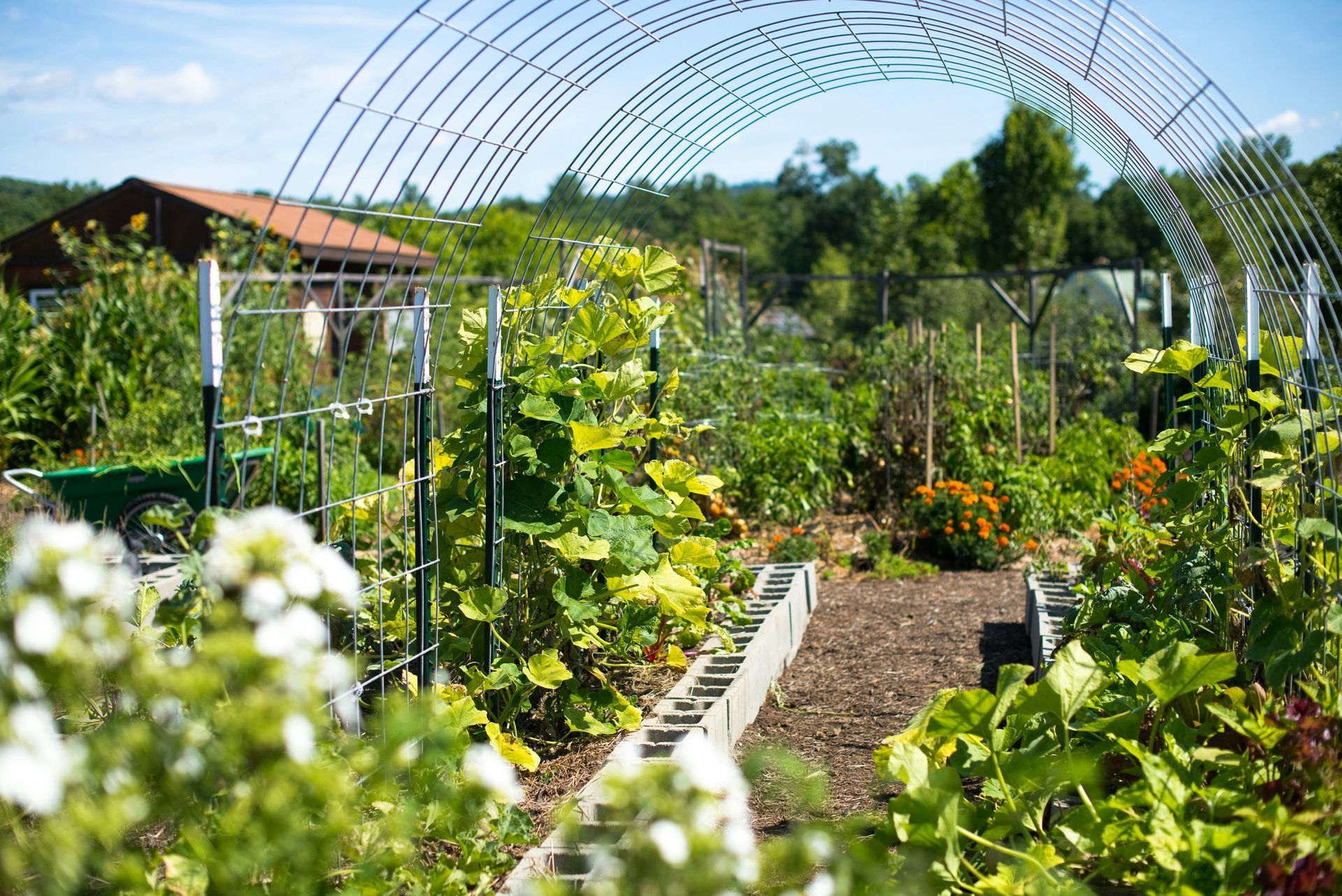
Some of the most exciting sustainable gardening projects are happening in schools and community spaces.
Gardens in these environments can do much more than provide greenery. They can become hands-on learning spaces where people see how soil, water, plants, insects and the broader environment work together.
For schools in particular, sustainable gardening can introduce children to concepts such as composting, water conservation, biodiversity and waste reduction in a way that is tangible and memorable.
Community gardens and local planting projects can have a similar effect, bringing people together while creating greener, healthier spaces.
These projects also create an opportunity to think carefully about the products and materials being introduced into the environment. Choosing solutions that align with the project's sustainability message helps ensure those values extend beyond what is being planted.
Better Establishment Can Mean Less Waste
One of the simplest sustainability principles in landscaping is also one of the most easily overlooked: help plants survive the first time.
Every failed planting represents more than the loss of a plant. There can also be additional water, transport, labour, growing materials and replacement costs involved.
Providing seedlings and young plants with appropriate protection, maintaining soil moisture, and creating favourable establishment conditions can improve their chances of developing into stronger, more resilient plants.
At scale, those improvements can make a meaningful difference.
This is particularly important for revegetation, community planting and large landscape projects where success is measured not simply by how many plants go into the ground, but by how many successfully establish.
Small Choices Add Up at Scale
There is no single product, technique or planting method that makes a landscape sustainable.
It comes from a series of considered choices.
What are we putting into the soil? How are we managing water? Are we giving plants the best chance of survival? What materials are we leaving behind? How much maintenance will this space require in one year, five years or ten?
For councils, landscapers, schools and community groups, those questions become increasingly important as the scale of a project grows.
At Guard’n’Grow, these are conversations we’re always interested in having. Our focus has always been on practical gardening solutions that support healthy plant establishment while considering their impact on the surrounding environment.
Because whether you’re planting one seedling or one thousand, sustainability starts with helping what you plant grow well and making thoughtful choices about what you use along the way.