
Autumn Gardening Tips: Embracing the Change in Australia

Karen Mott • May 8, 2024

As the Northern Hemisphere welcomes spring, down under in Australia, Autumn paints the landscape with gold, red, and orange hues. It's a time of transition in the garden as temperatures begin to cool and nature prepares for the Winter months ahead. Embracing the unique characteristics of Autumn gardening, here are some tips to help you make the most of your garden this May.


Harvest and Preserve

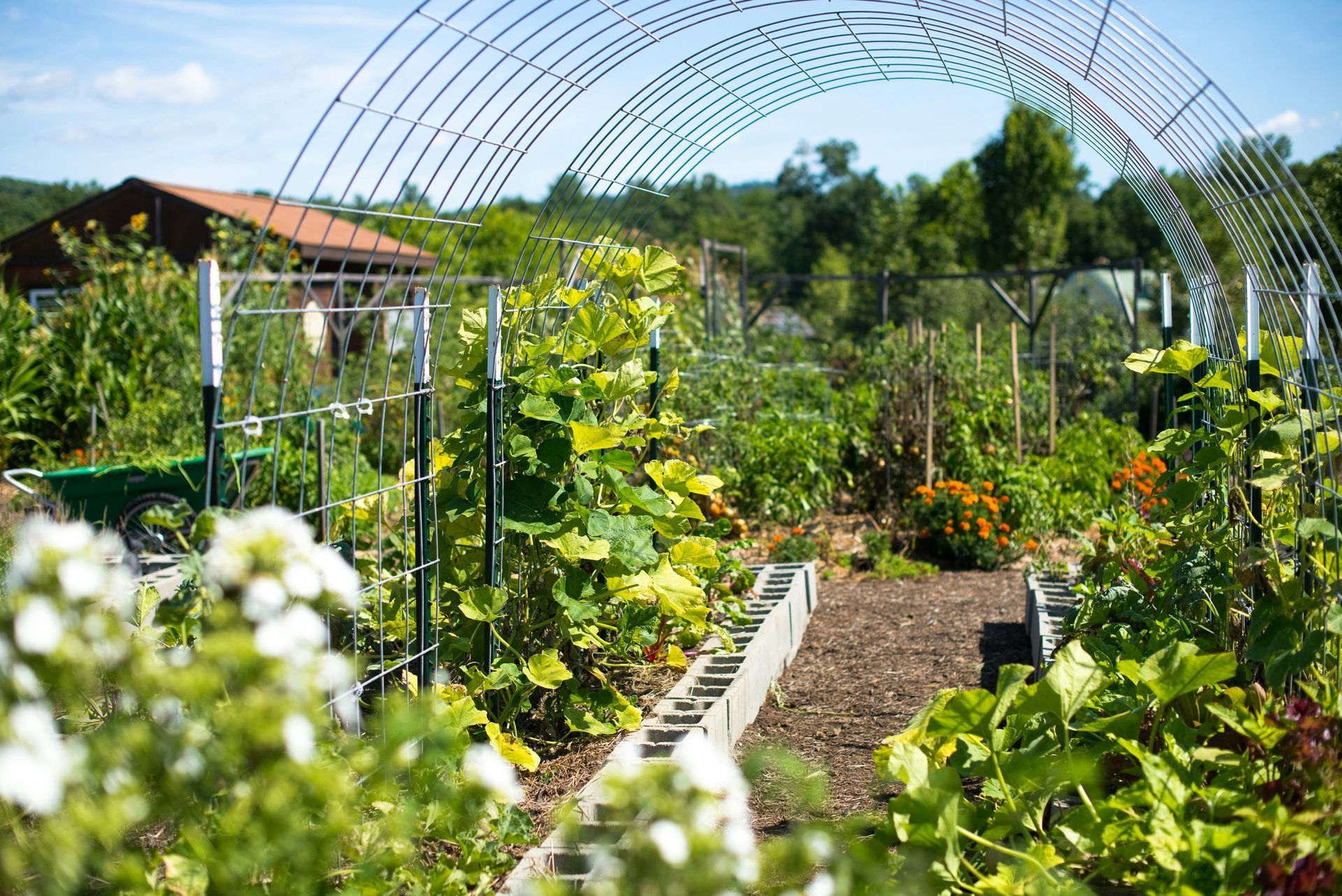
Autumn is a bountiful season in the garden, offering a final harvest of summer crops and an abundance of fruits, vegetables, and herbs ready for picking. This is a time of joy and satisfaction as you gather and preserve the ripe produce for the months ahead. Whether you're canning tomatoes, drying herbs, or making jams and preserves, keeping the flavours of Autumn allows you to enjoy the bounty of your garden long after the season has passed.


Plant Cool-Season Crops

As temperatures cool down, it's time to shift your focus to cool-season crops that thrive in the milder conditions of Autumn. Why not sow seeds or transplant seedlings of vegetables such as broccoli, kale, spinach, and carrots, which prefer cooler temperatures and shorter Autumn daylight hours. Adding cold-hardy herbs like parsley, chives, and coriander to your garden beds will bring fresh flavours to your meals throughout the season.


Prepare for Winter

While Autumn may signal the end of the growing season for many plants, it's also a necessary time to prepare your garden for the challenges of winter. Protect tender plants from frost by covering them with frost cloth or bringing them indoors if possible. Clear away spent annuals and vegetables, and add a layer of mulch to insulate the soil and regulate temperature fluctuations. Trim back overgrown shrubs and trees to maintain their shape and health throughout the dormant season.


Enjoy Autumn Blooms

While many plants begin to wind down for the year, Autumn also brings a stunning display of blooms to the garden. It's a time to appreciate and admire the beauty of autumn flowers such as chrysanthemums, salvias, and asters, which add splashes of colour to beds and borders. Plant bulbs for spring flowering, like daffodils, tulips, and hyacinths, allow them to establish roots over winter for a spectacular show next spring.


Embrace Fall Foliage

Autumn is not just about flowers; it's also a time to celebrate the changing colours of the foliage as trees and shrubs prepare for dormancy. Stroll through your garden or local parks to admire the vibrant red, orange, and yellow hues as they paint the landscape. Consider planting trees and shrubs known for their Autumn foliage, such as maples, liquidambars, and birches, to add visual interest and seasonal flair to your garden.


Prepare for Spring Success

As you tend to your garden in Autumn, it's also an opportune time to plan for the season ahead. This is a crucial step that will make you feel prepared and confident. Take stock of your successes and failures from the past growing season and adjust your garden layout, plant selection, and maintenance routine accordingly. Start composting fallen leaves and garden debris to create nutrient-rich soil amendments for next year's garden, and consider investing in new tools or equipment to streamline your gardening tasks.


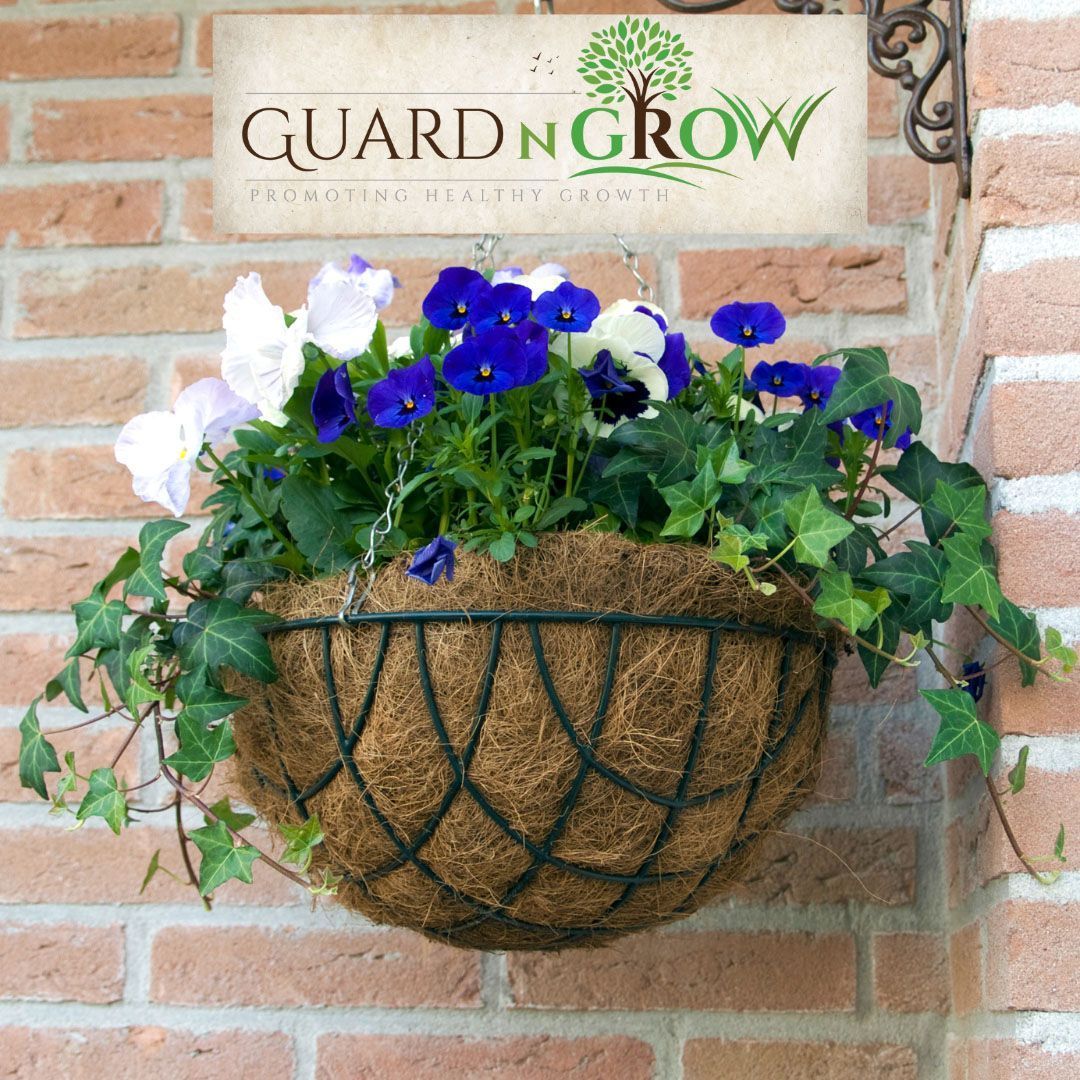
In addition to these seasonal tips, incorporating GuardnGrow coir fibre weed mats into your gardening routine can significantly enhance your Autumn gardening experience. These mats act as a natural weed barrier, suppressing weed growth while retaining moisture in the soil, thereby reducing the need for frequent watering and weeding. By laying GuardnGrow mats around your plants and garden beds, you can create a low-maintenance gardening environment that allows you to focus more on enjoying the beauty of Autumn rather than battling weeds.


Autumn in Australia is a time of change and reflection in the garden as nature prepares for the cooler months. By following these tips and embracing the unique characteristics of autumn gardening, you can create a garden that flourishes with beauty, productivity, and resilience. So embrace the season's rhythm, savour the sights and scents of Autumn, and let the garden's magic inspire your gardening endeavours.
By Karen Mott August 5, 2026
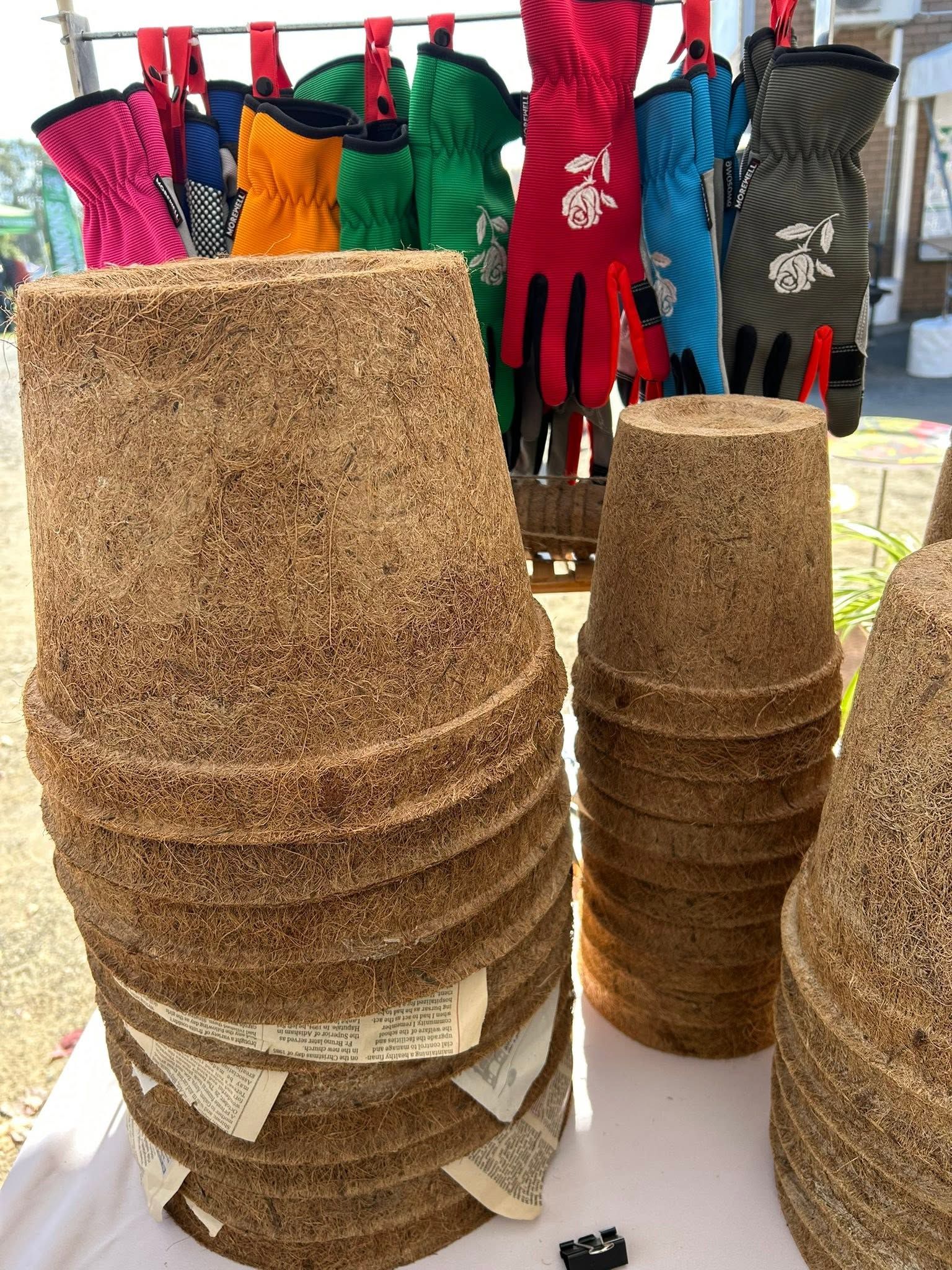
There’s something incredibly satisfying about watching tiny seeds burst into life. Whether you’re growing vegetables, herbs, flowers or native plants, healthy seedlings are the foundation of a thriving garden. If you’ve ever carefully nurtured seedlings only to have them wilt after planting or struggle to establish, you’re certainly not alone. The good news is that most seedling problems come down to a few common mistakes—and they’re easy to avoid with a little know-how. 1. Root Shock – The Hidden Setback One of the biggest reasons young plants struggle after transplanting is root shock. Seedlings develop delicate root systems that can easily be damaged when removed from plastic pots or trays. Even if the plant appears healthy, disturbed roots can slow growth, cause wilting and leave the plant vulnerable while it recovers. How to avoid it: Handle seedlings by their leaves rather than their stems. Transplant during the cooler part of the day, preferably late afternoon or on an overcast day. Water thoroughly after planting. Wherever possible, grow seedlings in biodegradable coir pots that can be planted directly into the soil, allowing the roots to continue growing without disturbance. At GuardnGrow, our natural coir fibre pots are designed to break down naturally in the soil while encouraging healthy root development. They make transplanting simple and help reduce plastic waste in the garden. 2. Too Much Water – More Isn't Always Better It's natural to think that more water means healthier seedlings, but young roots also need oxygen to thrive. Constantly wet growing media can encourage fungal diseases, weaken root growth and make seedlings more susceptible to problems later. Signs you may be overwatering: Yellowing leaves Limp seedlings despite damp soil Green algae or mould appearing on the surface What to do instead: Aim for evenly moist growing media rather than saturated conditions. Allow the surface to dry slightly between watering, and always ensure your containers drain freely. Good drainage and healthy root growth go hand in hand. 3. Healthy Roots Build Strong Plants Many gardeners focus on what they can see above the soil, but the real work happens below the surface. A strong root system allows seedlings to absorb water and nutrients efficiently, helping them establish quickly once planted into the garden. Using natural coir pots helps protect those young roots during transplanting, while adding organic material back into the soil as the pot gradually decomposes. Pair this with healthy soil rich in compost and beneficial microbes, and your seedlings are given the best possible chance to flourish. It's a simple change that benefits your plants, your soil and the environment. Give Your Seedlings the Best Start Late winter is the perfect time to prepare for the busy spring growing season. By protecting delicate roots, watering wisely and choosing biodegradable growing solutions, you'll give your seedlings the strongest possible start and enjoy healthier plants throughout the season. At GuardnGrow, we believe healthy gardens begin with healthy soil. Our range of biodegradable coir pots, natural coir products and eco-friendly gardening solutions are designed to help you grow stronger plants while reducing plastic in the garden. Browse our online store any time, or if you're local to Swan Hill, visit us on Fridays—or by appointment—to see our range and chat about natural gardening solutions. After all, strong seedlings grow into strong gardens.
By Karen Mott July 13, 2026
When the weather cools and the pace of the garden slows, it's tempting to think your work is done until Spring. But Winter is one of the most important seasons for creating a healthy, productive garden. While many plants are dormant above ground, your soil is still alive beneath the surface. Earthworms continue to improve soil structure, beneficial microbes keep breaking down organic matter, and moisture levels constantly change with rain, frost and colder temperatures. Looking after your soil during Winter means you'll spend less time fixing problems in Spring, and more time enjoying a thriving garden. Winter Isn't Downtime—It's Preparation Every season leaves its mark on your garden, and Winter is no exception. Heavy rain can wash away nutrients, exposed soil can become compacted, and Winter weeds often establish themselves long before you notice them. By the time Spring arrives, you're left spending valuable weekends pulling weeds and repairing garden beds instead of planting. A little maintenance now goes a long way towards preventing those headaches later. Give Your Soil the Protection It Deserves One of the simplest ways to protect your garden through Winter is by covering exposed soil. Natural coir mats act like a protective blanket, helping to: · Suppress weeds before they take hold. · Reduce soil erosion from heavy rain. · Retain moisture while still allowing water to penetrate. · Moderate soil temperature during cold weather. · Protect beneficial soil life beneath the surface. Because they're made from natural coconut fibre, coir mats are both environmentally friendly and biodegradable, gradually breaking down over time to enrich your soil. Whether you're caring for a vegetable patch, fruit trees, garden beds or landscaped areas, they're an easy addition that delivers benefits well beyond Winter. Recommended products for Winter: Coir Weed Mats – Keep weeds under control while protecting your soil. Tree Protection Mats – Perfect for young and established trees, helping reduce competition from weeds while maintaining healthy moisture levels. Coir Garden Mats & Landscaping Products – Ideal for larger garden beds and landscaped areas needing seasonal protection. Browse the full Guard'n'Grow range and find the right solution for your garden. Four Simple Jobs That Will Set Your Garden Up for Spring Winter doesn't have to mean hours of work. Just a few simple jobs now can make all the difference when warmer weather returns. 1. Cover Bare Soil Exposed soil loses moisture, nutrients and structure over Winter. Applying mulch or installing coir mats helps protect it until planting season begins. 2. Stay Ahead of Weeds Winter weeds are much easier to prevent than remove. Creating a natural barrier now saves countless hours later. 3. Feed the Soil Adding compost or organic matter during Winter gives it time to break down, enriching the soil before Spring planting. 4. Protect Young Trees and Shrubs Young plants can struggle through cold, wet conditions. Installing tree mats helps reduce weed competition while maintaining a healthier environment around each plant’s base. Small Steps Today, Bigger Rewards Tomorrow The healthiest spring gardens rarely happen by accident. They're built during Winter through small, consistent jobs that protect the soil, reduce future maintenance and create the ideal conditions for new growth. By spending just a little time preparing now, you'll enjoy stronger plants, fewer weeds and healthier garden beds when the growing season returns. Ready for a Healthier Garden This Spring? If you're looking for a natural, low-maintenance way to protect your garden this Winter, Guard'n'Grow's range of coir products offers a simple and sustainable solution. Whether you're covering vegetable beds, protecting young trees or preparing landscaped areas, our coir mats help create healthier soil with less effort, so your garden is ready to flourish when Spring arrives. Explore our range of: Coir Weed Mats Tree Protection Mats Garden & Landscaping Products Natural Coir Solutions for Every Garden Shop the Guard'n'Grow collection today and give your garden the best possible start to Spring. 
By Karen Mott June 12, 2026
When selecting products for your garden, it’s easy to focus on appearance, functionality and price. However, have you ever stopped to think about where those products come from and how they’re made? At GuardnGrow, we believe understanding the journey behind a product is just as important as the product itself. That’s especially true when it comes to coir, one of the key materials used throughout our range. What Is Coir? Coir is a natural fibre extracted from the outer husk of coconuts. Traditionally, coconut husks were considered a waste product after the coconut meat and water had been harvested. Today, those husks are transformed into a versatile, sustainable material used in everything from garden liners and hanging baskets to pots and growing material. By repurposing what would have otherwise been discarded, coir helps reduce waste while creating products that are both practical and environmentally responsible. From Coconut Plantation to Garden The journey of coir begins in regions where coconuts are grown in abundance, including parts of Sri Lanka, India and Southeast Asia. After coconuts are harvested, the husks are separated and processed to extract the fibres. These fibres are then cleaned, sorted and manufactured into a range of products suitable for gardening and horticulture. The result is a durable, renewable material that performs exceptionally well in outdoor environments while supporting a circular approach to resource use. Why Coir Is a More Sustainable Choice As gardeners and consumers become increasingly conscious of their environmental impact, coir has gained popularity for several reasons: ● Renewable Resource o Unlike many synthetic materials, coir is derived from a naturally replenishing source. Coconut palms continue producing fruit year after year, making coir a renewable alternative to products made from non-renewable resources. ● Reduces Agricultural Waste o Because coir utilises the coconut husk, it transforms what was once considered a by-product into something valuable and useful. ● Long-Lasting Performance o Coir is naturally strong, durable and resistant to weathering. This longevity means products last longer, reducing the need for frequent replacement. ● Supports Sustainable Growing o Coir products are widely used in horticulture because they offer excellent water retention and aeration, helping create healthier growing environments for plants. Why Supply Chain Transparency Matters Today’s consumers want to know more about the products they purchase. They want confidence that materials are responsibly sourced and that businesses are making thoughtful decisions about the products they offer. For wholesale buyers, landscapers, retailers and gardeners alike, transparency builds trust. Understanding where materials come from helps ensure purchasing decisions align with personal values and business commitments. At GuardnGrow, we recognise that quality extends beyond the finished product. It also includes the story behind it, the materials used and the care taken throughout the supply chain. Looking Beyond the Pot Whether you’re selecting products for a backyard garden, a landscaping project or a retail display, taking a closer look at the materials behind the product can make a meaningful difference. Coir is a great example of how innovation and sustainability can work together to create products that are both practical and environmentally conscious. The next time you see a coir-based product, you’ll know there’s a lot more to it than meets the eye. From coconut plantations to Australian gardens, it’s a story of resourcefulness, sustainability and making the most of nature’s gifts. At GuardnGrow, we’re proud to offer products that combine quality, durability and thoughtful sourcing, helping gardeners create beautiful spaces while making informed choices
By Karen Mott May 12, 2026
Discover how coir fibre matting supports sustainable gardening by protecting soil, conserving moisture, suppressing weeds, and encouraging healthy ecosystems. Learn how to build resilient gardens with native plants, biodiversity, and natural soil protection for long-term growth.
By Karen Mott April 9, 2026
Discover how small, intentional gardening choices can reduce plastic waste and create more sustainable spaces. Learn simple eco-friendly swaps like coir pots and natural materials that support healthier plants, reduce landfill, and help build gardens with lasting environmental impact.
By Karen Mott March 10, 2026
Simple Prep That Pays Off March is that beautiful in-between month. The sharp heat begins to soften. The light changes. The garden starts to exhale. And while every gardening article on the internet might tell you this is the time to do all the things, prune this, plant that, fertilise everything, we’re taking a different approach. At Guard’n’Grow, we believe Autumn gardening isn’t about racing through a checklist. It’s about slowing down. Observing. Working with the season, not against it. Here’s how to prepare your garden for Autumn — without the overwhelm. 1. Start With a Walk, Not a To-Do List Before you pick up a tool, take a slow walk around your garden. Notice: · What thrived over Summer? · What struggled? · Where is the soil dry and tired? · Where is there new growth quietly beginning? Autumn is a transition season. Your garden is shifting gears, and the best thing you can do first is simply pay attention. This small pause often tells you exactly what actually needs doing (and what can wait). 2. Feed the Soil, Not Just the Plants After a big Summer, your soil has worked hard. Instead of rushing to replace plants that look tired, focus on nourishing what’s underneath. A gentle top-up of compost or organic fertiliser now: · Improves soil structure · Encourages healthy root development · Sets you up beautifully for Winter growth Healthy soil equals resilient plants. And resilient plants mean less stress for you. 3. Light Pruning, Not a Major Chop March is perfect for light tidying, removing dead or damaged growth, trimming back Summer stragglers, and shaping gently. It’s not usually the time for dramatic pruning. Think “refresh”, not “reset”. A small trim now can encourage fresh growth without shocking plants that are already adjusting to cooler nights. 4. Mulch for Moisture & Calm As temperatures fluctuate, mulch becomes your garden’s best friend. A fresh layer: · Regulates soil temperature · Retains moisture · Suppresses weeds · Improves soil health over time It’s one of those simple jobs that quietly pays off for months. And visually? It makes everything look instantly neat and intentional. 5. Plant With the Season, Not Against It Autumn is actually one of the best times to plant, especially trees, shrubs and cool-season vegetables. The soil is still warm. The air is cooler. Roots establish beautifully without the stress of extreme heat. When you work with the season’s natural rhythm, you: · Use less water · See stronger growth · Experience fewer setbacks · Nature is already shifting. Let it lead. 6. Leave a Little Mess Not everything needs to be cut back or cleared away. Fallen leaves can: · Protect soil · Feed microbes · Provide habitat for beneficial insects Autumn isn’t about perfection. It’s about preparation. And sometimes the most productive thing you can do… is less. A Gentler Way to Garden At Guard’n’Grow, we know that gardening should feel grounding, not exhausting. You don’t need a ten-page checklist. You don’t need to overhaul everything at once. A few thoughtful steps now will carry your garden confidently into Winter. Slow down. Work with the rhythm of the season. Let small, steady effort do the heavy lifting. If you’d like advice tailored to your garden, or you’re unsure where to start, we’re always here to help. Because good gardens don’t come from rushing. They come from working in harmony with the season. A Gentle Reminder as the Season Changes As Autumn settles in and we start spending more time back in the garden, it’s also a good time to take a few simple precautions. With cooler mornings and longer grass around, snakes and spiders can be a little more active, so wearing a sturdy pair of gardening gloves and being mindful when reaching into garden beds or under pots is always a smart habit. Alongside good gloves , nourishing your soil now can make a big difference for the months ahead. Products like Guard’n’Grow Liquid Worm Castings and Biolink Brew Compost Tea Bags offer an easy way to strengthen soil biology and support steady, healthy plant growth without complicated routines. Small steps, simple tools, and working with the season, that’s often all your garden needs. You can explore these and other gardening essentials in the Guard’n’Grow online store. 
By Karen Mott February 3, 2026
When we think about beautiful gardens, our minds usually jump to lush leaves, colourful blooms and overflowing veggie beds. But the real magic of a thriving garden isn’t what you see above ground; it’s what’s happening quietly beneath your feet. This February, as the heat of summer lingers and our gardens are working hard, it’s the perfect time to fall a little more in love with your soil. Because healthy plants begin with healthy soil. Why soil health matters Soil isn’t just “dirt”. It’s a living ecosystem full of microorganisms, beneficial fungi, tiny insects and organic matter all working together to support your plants. When your soil is healthy, your garden becomes more resilient, better able to handle heat, dry spells, pests and stress. Think of your soil as the foundation of your garden. Strong foundations = strong growth. Moisture retention: keeping your garden hydrated for longer In the warmer months, water can evaporate quickly from garden beds, leaving plants thirsty and stressed. Healthy soil helps hold onto moisture rather than letting it disappear into thin air. Adding organic matter, like compost, mulch, or coir fibre, improves your soil’s ability to retain water. This means: · Less frequent watering · Happier plants · Reduced water waste · More consistent growth Your garden stays hydrated for longer, even on those hot February days. Root protection: creating a safe home underground Plant roots are delicate and need a stable, supportive environment to thrive. Good soil structure protects roots from temperature extremes, compaction and erosion. Coir fibre (made from coconut husks) is particularly helpful here. When mixed into soil, it: · Creates gentle air pockets for roots to breathe · Prevents soil from becoming too hard or compacted · Helps roots spread easily and grow stronger Healthy roots mean healthier plants — it really is that simple. How coir supports long-term soil life One of the beautiful things about coir is that it doesn’t just help your garden in the short term, it supports soil life over time. Unlike some materials that break down too quickly, coir is slow to decompose. This means it: · Continues improving soil structure for years · Supports beneficial microbes and fungi · Helps maintain consistent moisture levels · Reduces the need for frequent soil amendments In many ways, coir works quietly in the background, building healthier, more sustainable garden beds season after season. Love your soil, love your garden This February, take a moment to appreciate what’s happening beneath the surface. By nurturing your soil, you’re not just growing plants, you’re growing a thriving, balanced ecosystem that will reward you with stronger, more vibrant gardens all year round. And if you’re looking for high-quality coir and garden products to support your soil health, Guard’n’Grow is here to help you every step of the way. Happy gardening 🌿
By Karen Mott January 20, 2026
January has a way of making us feel like we need to change everything at once. New year, new goals, new plans — and when it comes to sustainability, that pressure can quickly turn overwhelming. At GuardnGrow, we believe gardening (and living more sustainably) doesn’t have to be about perfection. It’s about progress — small, realistic changes that actually fit into real life and, most importantly, stick. This January, we’re inviting you to take a gentler approach to your garden. One that works with your time, your budget, and your energy. Sustainability Doesn’t Have to Be All or Nothing One of the biggest myths around sustainable gardening is that you have to do it all at once. Replace everything. Start from scratch. Get it perfect. The truth? Sustainable habits are far more powerful when they’re built gradually. A single change done consistently will always outperform a big overhaul that feels too hard to maintain. Start Small: One Garden Bed Is Enough If the idea of reworking your entire garden feels daunting, don’t. Start with just one garden bed. Focus on improving the soil, choosing plants you genuinely love, and setting it up in a way that’s easy to maintain. One thriving bed builds confidence — and before you know it, you’ll naturally want to expand. Sustainability grows best when it feels achievable. Swap Plastic Pots — Gradually There’s no need to throw out everything you already own. A gentler approach is to swap plastic pots as you go: · When a plant outgrows its pot · When you’re starting new seedlings · When an old pot reaches the end of its life This slow transition reduces waste and pressure — and it allows your garden to evolve naturally over time. Coir: A Simple, Low-Effort Win If you’re looking for an easy sustainability upgrade, coir products are a great place to start. Coir fibre pots and mats: · Are biodegradable and plastic-free · Support healthy root growth · Improve moisture retention · Break down naturally into the soil Best of all, they don’t require you to change how you garden — they simply slot in where plastic would usually be. That’s what we love about coir: it’s not an overhaul, it’s an easy win. Build Habits, Not Pressure Gardening should feel grounding, not guilt-inducing. This year, let go of the idea that you need to be doing more. Instead, focus on doing what you can — one small, sustainable choice at a time. Because the most sustainable garden isn’t the most perfect one. It’s the one you’ll still be nurturing in six months’ time. If you’re ready to take a gentler step towards sustainable gardening, explore GuardnGrow’s range of coir fibre pots and mats — designed to make eco-friendly choices easy, practical, and achievable. Here’s to a calmer, greener year ahead. 
By Karen Mott December 9, 2025
A Year of Growth, Sustainability & Real Results As we arrive at the end of 2025, it’s the perfect moment to look back on how sustainable choices have shaped our gardens for the better. One standout hero this year has got to be Coir fibre . Across homes, businesses, nature strips, and market gardens, coir proved to be reliable, versatile, long-lasting, and environmentally friendly. And the best part is, the results weren’t just noticeable, they were impressive! Coir in Action: The Results Speak for Themselves 
By Karen Mott November 10, 2025
Smart, sustainable moisture management for Australian gardens From backyard veggie patches to native-filled cottage gardens, Australians are increasingly looking for ways to garden more sustainably — and water conservation sits right at the top of the list. With warmer weather, long hot spells, and changing rainfall patterns across the country, finding smarter ways to keep plants healthy without relying heavily on irrigation is more important than ever. One of the most effective water-saving solutions is surprisingly simple, natural, and long-lasting: coir fibre mats . Made from the fibres of coconut husks, coir products have become a favourite among gardeners who want to boost soil health, support strong plant growth, and reduce how often they need to water. Here’s how they work and how to use them in your garden. Why Coir Fibre Mats Are So Effective for Water Conservation Coir is naturally: Moisture-retentive – It draws in and holds water, releasing it slowly into the soil. Breathable – It allows air to circulate, preventing root rot and fungal issues. Durable outdoors – Coir doesn’t break down quickly, making it a long-lasting investment. Eco-friendly – Made from a renewable resource that would otherwise go to waste. By placing coir mats around the base of your plants or across garden beds, you create a protective layer that acts like a sponge. This reduces water evaporation from the soil surface and shields roots from fluctuating temperatures. How Coir Mats Help in Australian Conditions Australia’s climate can be harsh on plants, with hot sun, drying winds, sandy soils, and long periods between rain. Coir mats are particularly helpful because they: Keep soil cool in summer Slow water loss caused by evaporation Reduce the need for frequent watering Help young plants establish strong root systems faster Limit weed growth , which otherwise competes for soil moisture In short: coir mats help your garden hold onto every drop of water. PRO TIP: Pair Coir Mats With Drip Irrigation for the Best Results For gardeners wanting maximum water efficiency, placing drip lines or drippers underneath the coir mat is a game-changer. Here’s why it works so well: The drippers deliver water slowly and directly to the root zone. The coir mat absorbs this water and releases it steadily. The moisture is held deep where plants need it most — instead of evaporating from the surface. Gardening example setup: Enrich the soil with compost. Lay drip irrigation or soaker hoses along the root zones. Place coir matting over the top. Add mulch if desired for an extra layer of insulation. This method keeps the garden hydrated longer and reduces water waste. Simple Ways to Use Coir Fibre Mats in Your Garden 1. Around Trees and Shrubs Cut the mat to size, leaving space for the trunk. Place it around the base to lock in moisture and suppress weeds. 2. In Vegetable Gardens Use sheets along rows or cut them into smaller pieces for individual plants. This is especially helpful for tomatoes, capsicums, zucchinis, and herbs. 3. In Pots and Planters Potted plants dry out faster — especially in summer. Lining the top of the soil with coir mats helps reduce how often you need to water. 4. Under Mulch For a double layer of protection, place coir directly on the soil and mulch over the top. This is excellent for raised beds and ornamental gardens. Tips for Best Results Water the soil (or your coir mat itself) thoroughly to “charge” it with moisture. Replace or reposition mats each season if shifting occurs. Combine coir with compost-rich soil to improve structure and long-term water retention. A More Sustainable Garden Starts With Simple Choices Water-wise gardening doesn’t have to be complicated — sometimes, the simplest tools offer the greatest impact. Coir fibre mats help gardeners across Australia keep their gardens thriving, even through warm, dry spells, while using less water and supporting healthier plant growth. Whether you’re growing vegetables, natives, ornamentals, or fruit trees, coir mats can make your garden more resilient, more fertile, and easier to maintain. Ready to make your garden more resilient and water-wise? Our coir fibre mats are available in a range of sizes to suit veggie gardens, pots, planter boxes and established trees. Simple to use, long-lasting and eco-friendly — they’re one of the easiest ways to help your plants thrive. Explore the range and start saving water today.