
Where does coir fibre come from?

September 26, 2022

Where does coir fibre come from?

As we travel around attending markets and events, there is a lot of curiosity about what we sell. We get asked many questions, including: "Where do you get the coir fibre?" When we answer that it comes from the husk of coconuts, we see heads spinning. This is fair enough, given that we're a business based in the Mallee that is renowned for being flat and often very dry—a landscape that is not suitable for growing tropical fruit like coconuts.


In this blog, I'm taking you behind the scenes and sharing the journey of how we discovered coir fibre and where we source ours from. 

The search for a solution

Growing a garden in arid parts of Australia like the Mallee comes with challenges: wind, dust, extreme heat, winter frosts, and low rainfall. But knowing how particularly important it is to have a garden for those of us living in these harsh, desert-like conditions took us on the journey to find a sustainable solution that would allow the plants in our gardens not just survive but to thrive.


When we commenced the search, we didn't know where it would lead us. Because caring for our environment is our overarching ethos, we had to think outside of the square. Using plastic was not an option.


We searched far and wide throughout Australia and the globe to discover the ultimate solution: coir fibre—a product that not only guards the plants against the elements, allowing them to grow (not just survive), but it also eventually breaks down back into the ground. Coir fibre is manufactured in several countries, including Thailand, Sri Lanka, and China.

What is coir fibre is the outer fibre of a coconut

Eventually, we found a supplier in China who kindly sent us samples. When we tried these samples in our garden, we confirmed that coir fibre was exactly what we were looking for. Since then, we have had supplies sent from Sri Lanka.
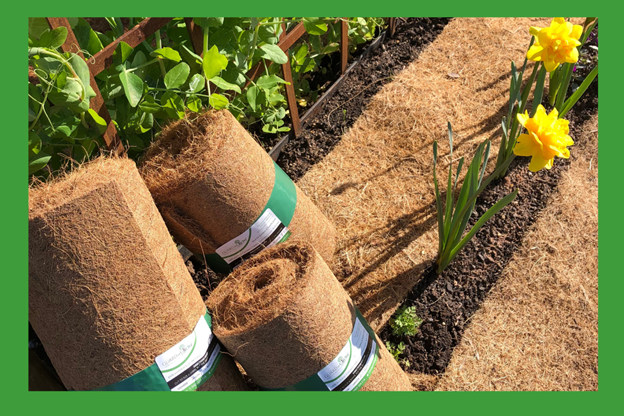
A row of rolls of soil in a garden with flowers in the background.

The next step…the leap of faith

Have you ever heard the phrase "nothing is ever straightforward"? When we knew we'd found the right product, we enquired about making an order. We learnt that the minimum order was a 20-ft shipping container consisting of 4000 mats in four different sizes. This was a rather large order for something we didn't yet have a market for.


Then there was the process of paperwork, shipping, biosecurity, quarantine, insurance, and freight forwarders. Bringing a plant-based product into Australia is tightly controlled so that there are no unwanted bugs entering our country.


With so many hurdles in front of us, we could have easily decided it was too hard. But instead, we trusted our intuition. We knew that we'd found the solution we went searching for. We went ahead and ordered.

An orange bottle with the word karen on it

You may wonder what our contingency plan was if there was no interest in the coir fibre. Our only Plan B was to protect every plant and tree standing on our own property with coir fibre!


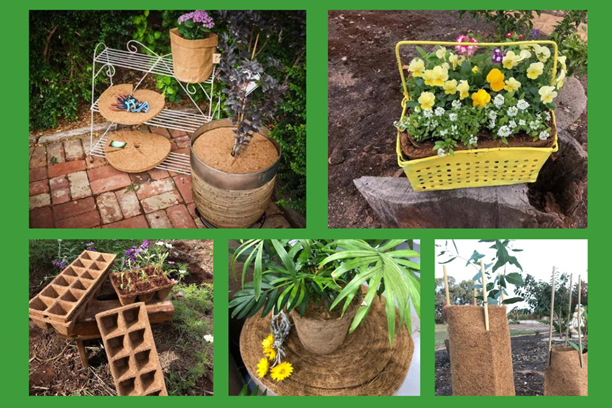
Thankfully, coir fibre has been well received. We have expanded and now offer a variety of gardening solutions using coir fibre, including:

  • Tree Guards
  • Seedling Trays
  • 17-cm Round Pots
  • Weed Matting (in various lengths and sizes)
  • Dip Tip Liners
A collage of four pictures of potted plants on a green background.

We also sell coir fibre by the roll, which is an ideal way to purchase the product if you have large areas like veggie patches and garden beds to protect. We also cater for large commercial orders and can supply pots in sizes to suit.
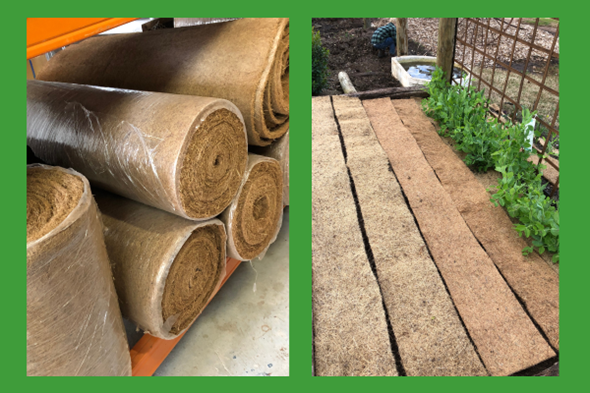
A stack of rolls of carpet next to a row of plants growing on a wooden surface.

If you'd like to know more about ways you can use coir fibre to nurture and care for your plants in your home garden or business, please reach out to us today. We love to share everything we know and have learnt about this fantastic product.


We are looking to expand our range further, so if there is anything about the coir fibre product you may be interested in, please let us know so we can make enquiries for you.
By Karen Mott September 15, 2026
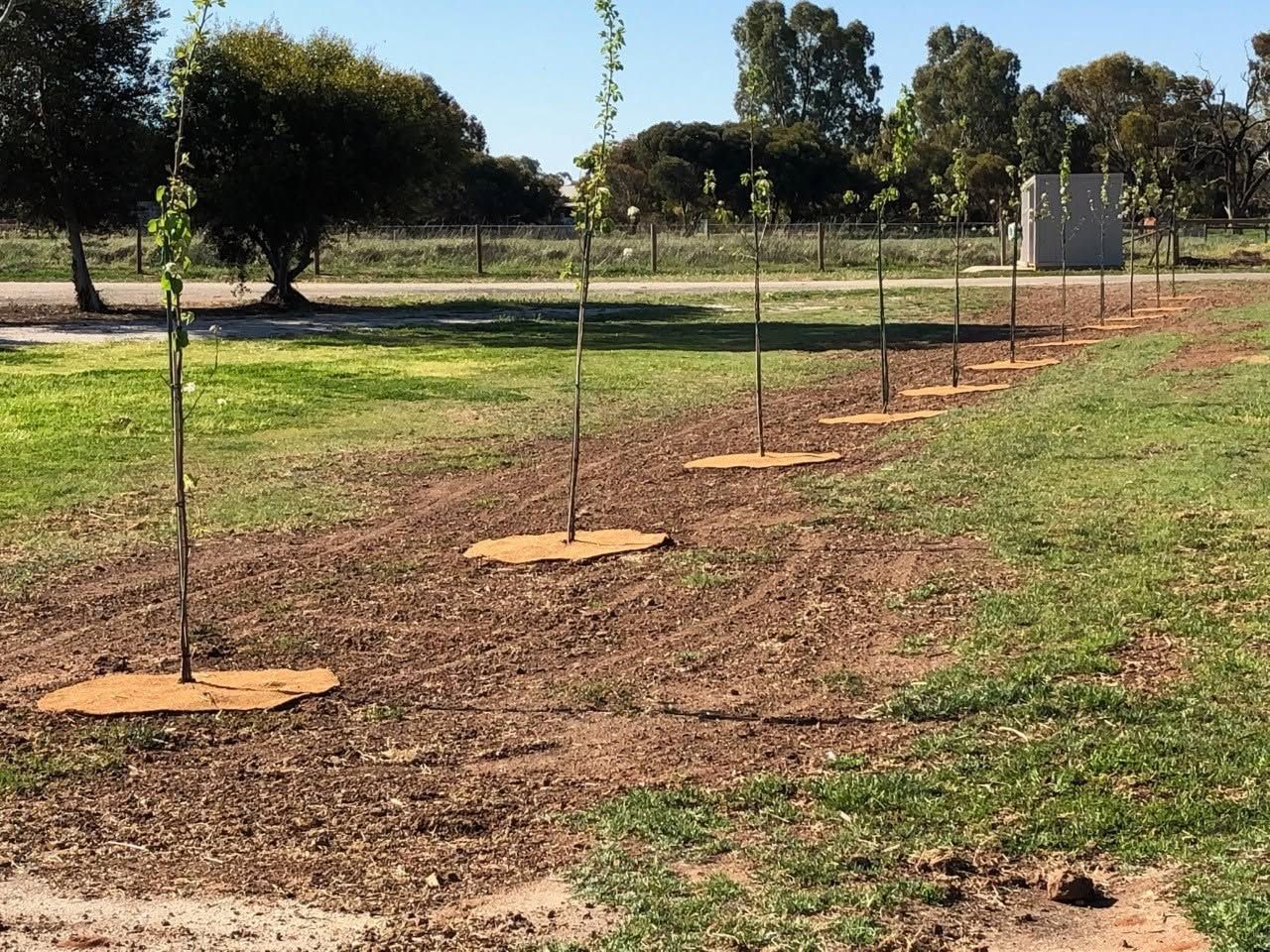
Sustainable gardening is often discussed at the backyard level: composting, conserving water, improving soil health, and choosing products that are kinder to the environment. But these same principles become even more important when gardening happens at scale. Across council landscapes, commercial developments, schools and community spaces, there’s a growing focus on creating green spaces that don’t just look good on opening day, but are practical, resilient and sustainable for the long term. And that means thinking differently about how landscapes are established, protected and maintained. Sustainability Has to Work in the Real World A sustainable landscape needs to do more than tick an environmental box. Public and commercial green spaces often face conditions that are very different from the average home garden. There can be large areas to maintain, significant foot traffic, exposure to weather, limited maintenance resources and, in many parts of Australia, ongoing challenges around heat and water availability. The most effective sustainable landscaping choices are therefore often the practical ones: building healthier soil, reducing unnecessary water loss, protecting young plants while they establish and choosing materials that won’t create another waste problem down the track. It’s about considering the landscape's entire life rather than simply getting plants into the ground. Councils and Public Spaces Councils manage an enormous variety of green spaces, from streetscapes and reserves to playgrounds, community gardens and revegetation areas. When planting happens across hundreds or even thousands of plants, small decisions can have a significant cumulative impact. Plant survival matters. So do water efficiency, the amount of ongoing maintenance required, and what happens to the materials used around the plants once they have served their purpose. We’re seeing greater awareness of the value of giving new plantings the best possible start. Protecting seedlings and young plants during their vulnerable establishment stage can help reduce losses and the resources required to replace failed plantings. There is also increasing consideration of the materials used in landscaping projects. Where possible, biodegradable and lower-waste solutions can help reduce the amount of plastic and synthetic material left behind in the landscape. Commercial Landscaping: Looking Beyond Installation For commercial landscapers, sustainability increasingly extends beyond plant selection. Clients want attractive landscapes, but they also want spaces that can withstand Australian conditions and remain manageable after the landscaping team completes the initial installation. That puts greater emphasis on soil preparation, moisture retention, appropriate protection and long-term plant health. A landscape that requires excessive watering, frequent plant replacement, or ongoing intervention can quickly become expensive and resource-intensive. Taking the time to establish plants well from the beginning can help create landscapes that are more resilient and require fewer inputs over time; a win environmentally, practically and financially. Schools and Community Projects Some of the most exciting sustainable gardening projects are happening in schools and community spaces. Gardens in these environments can do much more than provide greenery. They can become hands-on learning spaces where people see how soil, water, plants, insects and the broader environment work together. For schools in particular, sustainable gardening can introduce children to concepts such as composting, water conservation, biodiversity and waste reduction in a way that is tangible and memorable. Community gardens and local planting projects can have a similar effect, bringing people together while creating greener, healthier spaces. These projects also create an opportunity to think carefully about the products and materials being introduced into the environment. Choosing solutions that align with the project's sustainability message helps ensure those values extend beyond what is being planted. Better Establishment Can Mean Less Waste One of the simplest sustainability principles in landscaping is also one of the most easily overlooked: help plants survive the first time. Every failed planting represents more than the loss of a plant. There can also be additional water, transport, labour, growing materials and replacement costs involved. Providing seedlings and young plants with appropriate protection, maintaining soil moisture, and creating favourable establishment conditions can improve their chances of developing into stronger, more resilient plants. At scale, those improvements can make a meaningful difference. This is particularly important for revegetation, community planting and large landscape projects where success is measured not simply by how many plants go into the ground, but by how many successfully establish. Small Choices Add Up at Scale There is no single product, technique or planting method that makes a landscape sustainable. It comes from a series of considered choices. What are we putting into the soil? How are we managing water? Are we giving plants the best chance of survival? What materials are we leaving behind? How much maintenance will this space require in one year, five years or ten? For councils, landscapers, schools and community groups, those questions become increasingly important as the scale of a project grows. At Guard’n’Grow, these are conversations we’re always interested in having. Our focus has always been on practical gardening solutions that support healthy plant establishment while considering their impact on the surrounding environment. Because whether you’re planting one seedling or one thousand, sustainability starts with helping what you plant grow well and making thoughtful choices about what you use along the way. 
By Karen Mott August 5, 2026
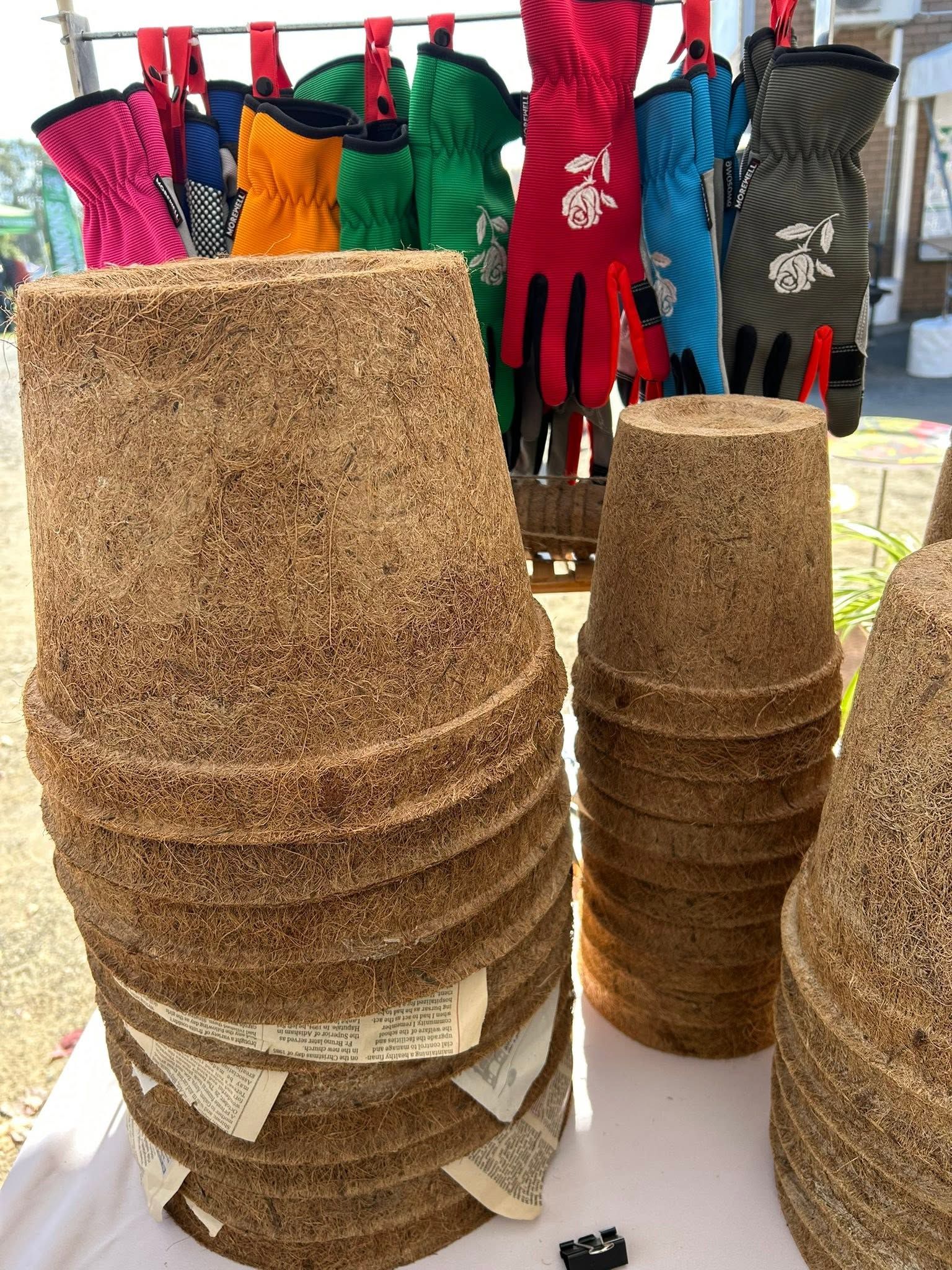
There’s something incredibly satisfying about watching tiny seeds burst into life. Whether you’re growing vegetables, herbs, flowers or native plants, healthy seedlings are the foundation of a thriving garden. If you’ve ever carefully nurtured seedlings only to have them wilt after planting or struggle to establish, you’re certainly not alone. The good news is that most seedling problems come down to a few common mistakes—and they’re easy to avoid with a little know-how. 1. Root Shock – The Hidden Setback One of the biggest reasons young plants struggle after transplanting is root shock. Seedlings develop delicate root systems that can easily be damaged when removed from plastic pots or trays. Even if the plant appears healthy, disturbed roots can slow growth, cause wilting and leave the plant vulnerable while it recovers. How to avoid it: Handle seedlings by their leaves rather than their stems. Transplant during the cooler part of the day, preferably late afternoon or on an overcast day. Water thoroughly after planting. Wherever possible, grow seedlings in biodegradable coir pots that can be planted directly into the soil, allowing the roots to continue growing without disturbance. At GuardnGrow, our natural coir fibre pots are designed to break down naturally in the soil while encouraging healthy root development. They make transplanting simple and help reduce plastic waste in the garden. 2. Too Much Water – More Isn't Always Better It's natural to think that more water means healthier seedlings, but young roots also need oxygen to thrive. Constantly wet growing media can encourage fungal diseases, weaken root growth and make seedlings more susceptible to problems later. Signs you may be overwatering: Yellowing leaves Limp seedlings despite damp soil Green algae or mould appearing on the surface What to do instead: Aim for evenly moist growing media rather than saturated conditions. Allow the surface to dry slightly between watering, and always ensure your containers drain freely. Good drainage and healthy root growth go hand in hand. 3. Healthy Roots Build Strong Plants Many gardeners focus on what they can see above the soil, but the real work happens below the surface. A strong root system allows seedlings to absorb water and nutrients efficiently, helping them establish quickly once planted into the garden. Using natural coir pots helps protect those young roots during transplanting, while adding organic material back into the soil as the pot gradually decomposes. Pair this with healthy soil rich in compost and beneficial microbes, and your seedlings are given the best possible chance to flourish. It's a simple change that benefits your plants, your soil and the environment. Give Your Seedlings the Best Start Late winter is the perfect time to prepare for the busy spring growing season. By protecting delicate roots, watering wisely and choosing biodegradable growing solutions, you'll give your seedlings the strongest possible start and enjoy healthier plants throughout the season. At GuardnGrow, we believe healthy gardens begin with healthy soil. Our range of biodegradable coir pots, natural coir products and eco-friendly gardening solutions are designed to help you grow stronger plants while reducing plastic in the garden. Browse our online store any time, or if you're local to Swan Hill, visit us on Fridays—or by appointment—to see our range and chat about natural gardening solutions. After all, strong seedlings grow into strong gardens.
By Karen Mott July 13, 2026
When the weather cools and the pace of the garden slows, it's tempting to think your work is done until Spring. But Winter is one of the most important seasons for creating a healthy, productive garden. While many plants are dormant above ground, your soil is still alive beneath the surface. Earthworms continue to improve soil structure, beneficial microbes keep breaking down organic matter, and moisture levels constantly change with rain, frost and colder temperatures. Looking after your soil during Winter means you'll spend less time fixing problems in Spring, and more time enjoying a thriving garden. Winter Isn't Downtime—It's Preparation Every season leaves its mark on your garden, and Winter is no exception. Heavy rain can wash away nutrients, exposed soil can become compacted, and Winter weeds often establish themselves long before you notice them. By the time Spring arrives, you're left spending valuable weekends pulling weeds and repairing garden beds instead of planting. A little maintenance now goes a long way towards preventing those headaches later. Give Your Soil the Protection It Deserves One of the simplest ways to protect your garden through Winter is by covering exposed soil. Natural coir mats act like a protective blanket, helping to: · Suppress weeds before they take hold. · Reduce soil erosion from heavy rain. · Retain moisture while still allowing water to penetrate. · Moderate soil temperature during cold weather. · Protect beneficial soil life beneath the surface. Because they're made from natural coconut fibre, coir mats are both environmentally friendly and biodegradable, gradually breaking down over time to enrich your soil. Whether you're caring for a vegetable patch, fruit trees, garden beds or landscaped areas, they're an easy addition that delivers benefits well beyond Winter. Recommended products for Winter: Coir Weed Mats – Keep weeds under control while protecting your soil. Tree Protection Mats – Perfect for young and established trees, helping reduce competition from weeds while maintaining healthy moisture levels. Coir Garden Mats & Landscaping Products – Ideal for larger garden beds and landscaped areas needing seasonal protection. Browse the full Guard'n'Grow range and find the right solution for your garden. Four Simple Jobs That Will Set Your Garden Up for Spring Winter doesn't have to mean hours of work. Just a few simple jobs now can make all the difference when warmer weather returns. 1. Cover Bare Soil Exposed soil loses moisture, nutrients and structure over Winter. Applying mulch or installing coir mats helps protect it until planting season begins. 2. Stay Ahead of Weeds Winter weeds are much easier to prevent than remove. Creating a natural barrier now saves countless hours later. 3. Feed the Soil Adding compost or organic matter during Winter gives it time to break down, enriching the soil before Spring planting. 4. Protect Young Trees and Shrubs Young plants can struggle through cold, wet conditions. Installing tree mats helps reduce weed competition while maintaining a healthier environment around each plant’s base. Small Steps Today, Bigger Rewards Tomorrow The healthiest spring gardens rarely happen by accident. They're built during Winter through small, consistent jobs that protect the soil, reduce future maintenance and create the ideal conditions for new growth. By spending just a little time preparing now, you'll enjoy stronger plants, fewer weeds and healthier garden beds when the growing season returns. Ready for a Healthier Garden This Spring? If you're looking for a natural, low-maintenance way to protect your garden this Winter, Guard'n'Grow's range of coir products offers a simple and sustainable solution. Whether you're covering vegetable beds, protecting young trees or preparing landscaped areas, our coir mats help create healthier soil with less effort, so your garden is ready to flourish when Spring arrives. Explore our range of: Coir Weed Mats Tree Protection Mats Garden & Landscaping Products Natural Coir Solutions for Every Garden Shop the Guard'n'Grow collection today and give your garden the best possible start to Spring. 
By Karen Mott June 12, 2026
When selecting products for your garden, it’s easy to focus on appearance, functionality and price. However, have you ever stopped to think about where those products come from and how they’re made? At GuardnGrow, we believe understanding the journey behind a product is just as important as the product itself. That’s especially true when it comes to coir, one of the key materials used throughout our range. What Is Coir? Coir is a natural fibre extracted from the outer husk of coconuts. Traditionally, coconut husks were considered a waste product after the coconut meat and water had been harvested. Today, those husks are transformed into a versatile, sustainable material used in everything from garden liners and hanging baskets to pots and growing material. By repurposing what would have otherwise been discarded, coir helps reduce waste while creating products that are both practical and environmentally responsible. From Coconut Plantation to Garden The journey of coir begins in regions where coconuts are grown in abundance, including parts of Sri Lanka, India and Southeast Asia. After coconuts are harvested, the husks are separated and processed to extract the fibres. These fibres are then cleaned, sorted and manufactured into a range of products suitable for gardening and horticulture. The result is a durable, renewable material that performs exceptionally well in outdoor environments while supporting a circular approach to resource use. Why Coir Is a More Sustainable Choice As gardeners and consumers become increasingly conscious of their environmental impact, coir has gained popularity for several reasons: ● Renewable Resource o Unlike many synthetic materials, coir is derived from a naturally replenishing source. Coconut palms continue producing fruit year after year, making coir a renewable alternative to products made from non-renewable resources. ● Reduces Agricultural Waste o Because coir utilises the coconut husk, it transforms what was once considered a by-product into something valuable and useful. ● Long-Lasting Performance o Coir is naturally strong, durable and resistant to weathering. This longevity means products last longer, reducing the need for frequent replacement. ● Supports Sustainable Growing o Coir products are widely used in horticulture because they offer excellent water retention and aeration, helping create healthier growing environments for plants. Why Supply Chain Transparency Matters Today’s consumers want to know more about the products they purchase. They want confidence that materials are responsibly sourced and that businesses are making thoughtful decisions about the products they offer. For wholesale buyers, landscapers, retailers and gardeners alike, transparency builds trust. Understanding where materials come from helps ensure purchasing decisions align with personal values and business commitments. At GuardnGrow, we recognise that quality extends beyond the finished product. It also includes the story behind it, the materials used and the care taken throughout the supply chain. Looking Beyond the Pot Whether you’re selecting products for a backyard garden, a landscaping project or a retail display, taking a closer look at the materials behind the product can make a meaningful difference. Coir is a great example of how innovation and sustainability can work together to create products that are both practical and environmentally conscious. The next time you see a coir-based product, you’ll know there’s a lot more to it than meets the eye. From coconut plantations to Australian gardens, it’s a story of resourcefulness, sustainability and making the most of nature’s gifts. At GuardnGrow, we’re proud to offer products that combine quality, durability and thoughtful sourcing, helping gardeners create beautiful spaces while making informed choices
By Karen Mott May 12, 2026
Discover how coir fibre matting supports sustainable gardening by protecting soil, conserving moisture, suppressing weeds, and encouraging healthy ecosystems. Learn how to build resilient gardens with native plants, biodiversity, and natural soil protection for long-term growth.
By Karen Mott April 9, 2026
Discover how small, intentional gardening choices can reduce plastic waste and create more sustainable spaces. Learn simple eco-friendly swaps like coir pots and natural materials that support healthier plants, reduce landfill, and help build gardens with lasting environmental impact.
By Karen Mott March 10, 2026
Simple Prep That Pays Off March is that beautiful in-between month. The sharp heat begins to soften. The light changes. The garden starts to exhale. And while every gardening article on the internet might tell you this is the time to do all the things, prune this, plant that, fertilise everything, we’re taking a different approach. At Guard’n’Grow, we believe Autumn gardening isn’t about racing through a checklist. It’s about slowing down. Observing. Working with the season, not against it. Here’s how to prepare your garden for Autumn — without the overwhelm. 1. Start With a Walk, Not a To-Do List Before you pick up a tool, take a slow walk around your garden. Notice: · What thrived over Summer? · What struggled? · Where is the soil dry and tired? · Where is there new growth quietly beginning? Autumn is a transition season. Your garden is shifting gears, and the best thing you can do first is simply pay attention. This small pause often tells you exactly what actually needs doing (and what can wait). 2. Feed the Soil, Not Just the Plants After a big Summer, your soil has worked hard. Instead of rushing to replace plants that look tired, focus on nourishing what’s underneath. A gentle top-up of compost or organic fertiliser now: · Improves soil structure · Encourages healthy root development · Sets you up beautifully for Winter growth Healthy soil equals resilient plants. And resilient plants mean less stress for you. 3. Light Pruning, Not a Major Chop March is perfect for light tidying, removing dead or damaged growth, trimming back Summer stragglers, and shaping gently. It’s not usually the time for dramatic pruning. Think “refresh”, not “reset”. A small trim now can encourage fresh growth without shocking plants that are already adjusting to cooler nights. 4. Mulch for Moisture & Calm As temperatures fluctuate, mulch becomes your garden’s best friend. A fresh layer: · Regulates soil temperature · Retains moisture · Suppresses weeds · Improves soil health over time It’s one of those simple jobs that quietly pays off for months. And visually? It makes everything look instantly neat and intentional. 5. Plant With the Season, Not Against It Autumn is actually one of the best times to plant, especially trees, shrubs and cool-season vegetables. The soil is still warm. The air is cooler. Roots establish beautifully without the stress of extreme heat. When you work with the season’s natural rhythm, you: · Use less water · See stronger growth · Experience fewer setbacks · Nature is already shifting. Let it lead. 6. Leave a Little Mess Not everything needs to be cut back or cleared away. Fallen leaves can: · Protect soil · Feed microbes · Provide habitat for beneficial insects Autumn isn’t about perfection. It’s about preparation. And sometimes the most productive thing you can do… is less. A Gentler Way to Garden At Guard’n’Grow, we know that gardening should feel grounding, not exhausting. You don’t need a ten-page checklist. You don’t need to overhaul everything at once. A few thoughtful steps now will carry your garden confidently into Winter. Slow down. Work with the rhythm of the season. Let small, steady effort do the heavy lifting. If you’d like advice tailored to your garden, or you’re unsure where to start, we’re always here to help. Because good gardens don’t come from rushing. They come from working in harmony with the season. A Gentle Reminder as the Season Changes As Autumn settles in and we start spending more time back in the garden, it’s also a good time to take a few simple precautions. With cooler mornings and longer grass around, snakes and spiders can be a little more active, so wearing a sturdy pair of gardening gloves and being mindful when reaching into garden beds or under pots is always a smart habit. Alongside good gloves , nourishing your soil now can make a big difference for the months ahead. Products like Guard’n’Grow Liquid Worm Castings and Biolink Brew Compost Tea Bags offer an easy way to strengthen soil biology and support steady, healthy plant growth without complicated routines. Small steps, simple tools, and working with the season, that’s often all your garden needs. You can explore these and other gardening essentials in the Guard’n’Grow online store. 
By Karen Mott February 3, 2026
When we think about beautiful gardens, our minds usually jump to lush leaves, colourful blooms and overflowing veggie beds. But the real magic of a thriving garden isn’t what you see above ground; it’s what’s happening quietly beneath your feet. This February, as the heat of summer lingers and our gardens are working hard, it’s the perfect time to fall a little more in love with your soil. Because healthy plants begin with healthy soil. Why soil health matters Soil isn’t just “dirt”. It’s a living ecosystem full of microorganisms, beneficial fungi, tiny insects and organic matter all working together to support your plants. When your soil is healthy, your garden becomes more resilient, better able to handle heat, dry spells, pests and stress. Think of your soil as the foundation of your garden. Strong foundations = strong growth. Moisture retention: keeping your garden hydrated for longer In the warmer months, water can evaporate quickly from garden beds, leaving plants thirsty and stressed. Healthy soil helps hold onto moisture rather than letting it disappear into thin air. Adding organic matter, like compost, mulch, or coir fibre, improves your soil’s ability to retain water. This means: · Less frequent watering · Happier plants · Reduced water waste · More consistent growth Your garden stays hydrated for longer, even on those hot February days. Root protection: creating a safe home underground Plant roots are delicate and need a stable, supportive environment to thrive. Good soil structure protects roots from temperature extremes, compaction and erosion. Coir fibre (made from coconut husks) is particularly helpful here. When mixed into soil, it: · Creates gentle air pockets for roots to breathe · Prevents soil from becoming too hard or compacted · Helps roots spread easily and grow stronger Healthy roots mean healthier plants — it really is that simple. How coir supports long-term soil life One of the beautiful things about coir is that it doesn’t just help your garden in the short term, it supports soil life over time. Unlike some materials that break down too quickly, coir is slow to decompose. This means it: · Continues improving soil structure for years · Supports beneficial microbes and fungi · Helps maintain consistent moisture levels · Reduces the need for frequent soil amendments In many ways, coir works quietly in the background, building healthier, more sustainable garden beds season after season. Love your soil, love your garden This February, take a moment to appreciate what’s happening beneath the surface. By nurturing your soil, you’re not just growing plants, you’re growing a thriving, balanced ecosystem that will reward you with stronger, more vibrant gardens all year round. And if you’re looking for high-quality coir and garden products to support your soil health, Guard’n’Grow is here to help you every step of the way. Happy gardening 🌿
By Karen Mott January 20, 2026
January has a way of making us feel like we need to change everything at once. New year, new goals, new plans — and when it comes to sustainability, that pressure can quickly turn overwhelming. At GuardnGrow, we believe gardening (and living more sustainably) doesn’t have to be about perfection. It’s about progress — small, realistic changes that actually fit into real life and, most importantly, stick. This January, we’re inviting you to take a gentler approach to your garden. One that works with your time, your budget, and your energy. Sustainability Doesn’t Have to Be All or Nothing One of the biggest myths around sustainable gardening is that you have to do it all at once. Replace everything. Start from scratch. Get it perfect. The truth? Sustainable habits are far more powerful when they’re built gradually. A single change done consistently will always outperform a big overhaul that feels too hard to maintain. Start Small: One Garden Bed Is Enough If the idea of reworking your entire garden feels daunting, don’t. Start with just one garden bed. Focus on improving the soil, choosing plants you genuinely love, and setting it up in a way that’s easy to maintain. One thriving bed builds confidence — and before you know it, you’ll naturally want to expand. Sustainability grows best when it feels achievable. Swap Plastic Pots — Gradually There’s no need to throw out everything you already own. A gentler approach is to swap plastic pots as you go: · When a plant outgrows its pot · When you’re starting new seedlings · When an old pot reaches the end of its life This slow transition reduces waste and pressure — and it allows your garden to evolve naturally over time. Coir: A Simple, Low-Effort Win If you’re looking for an easy sustainability upgrade, coir products are a great place to start. Coir fibre pots and mats: · Are biodegradable and plastic-free · Support healthy root growth · Improve moisture retention · Break down naturally into the soil Best of all, they don’t require you to change how you garden — they simply slot in where plastic would usually be. That’s what we love about coir: it’s not an overhaul, it’s an easy win. Build Habits, Not Pressure Gardening should feel grounding, not guilt-inducing. This year, let go of the idea that you need to be doing more. Instead, focus on doing what you can — one small, sustainable choice at a time. Because the most sustainable garden isn’t the most perfect one. It’s the one you’ll still be nurturing in six months’ time. If you’re ready to take a gentler step towards sustainable gardening, explore GuardnGrow’s range of coir fibre pots and mats — designed to make eco-friendly choices easy, practical, and achievable. Here’s to a calmer, greener year ahead. 
By Karen Mott December 9, 2025
A Year of Growth, Sustainability & Real Results As we arrive at the end of 2025, it’s the perfect moment to look back on how sustainable choices have shaped our gardens for the better. One standout hero this year has got to be Coir fibre . Across homes, businesses, nature strips, and market gardens, coir proved to be reliable, versatile, long-lasting, and environmentally friendly. And the best part is, the results weren’t just noticeable, they were impressive! Coir in Action: The Results Speak for Themselves